What the obliques does
The obliques wrap the sides of the waist. They turn and bend the trunk, and resist being turned or bent, which is the rotation work most gym programmes leave out.
8 moves that train it, easiest first
Click a movement for how to set it up, the steps, what to feel for and what usually goes wrong.
Start here: no or light equipment
Side Plank (held for time, a variation of Plank)
Set up. Lie on your side with your legs straight and stacked, resting on your forearm with the elbow under your shoulder.
- Lift your hips so your body forms a straight line from head to feet.
- Hold for the target time.
- Lower and switch sides.
Form cues
- Keep the hips high and stacked.
- Push the floor away with the forearm.
- Keep the head in line.
Common mistakes
- Letting the hips sink.
- Rolling forward or back.
Russian Twist (12 to 30 reps)
Set up. Sit with your knees bent and heels on the floor, then lean back slightly with a straight back and hold your hands together in front of your chest.
- Rotate your torso to bring your hands beside one hip.
- Rotate through the middle to the other side.
- Continue alternating at a controlled pace.
Form cues
- Turn from the ribs, not just the arms.
- Keep the chest up.
- Lift the feet to make it harder.
Common mistakes
- Rounding the back.
- Swinging the arms without turning the torso.
Bicycle Crunch (12 to 30 reps, a variation of Russian Twist)
Set up. Lie on your back with your hands lightly beside your head and your knees lifted over your hips.
- Curl your shoulders up and rotate one elbow toward the opposite knee as that knee comes in.
- Extend the other leg out at the same time.
- Switch sides in a slow pedalling motion.
Form cues
- Turn the ribs, not just the elbow.
- Keep the lower back down.
- Go slowly.
Common mistakes
- Pulling the head with the hands.
- Pedalling quickly with no rotation.
Kneeling Side Plank (held for time, a variation of Side Plank)
Set up. Lie on your side with your knees bent behind you, resting on your forearm with the elbow under your shoulder.
- Lift your hips so your body forms a line from head to knees.
- Hold for the target time.
- Lower and switch sides.
Form cues
- Keep the hips forward and high.
- Push the floor away.
- Breathe steadily.
Common mistakes
- Letting the hips sag.
- Sitting the hips back.
Build: dumbbells, kettlebells, cables and machines
Suitcase Carry (held for time, a variation of Farmer’s Carry)
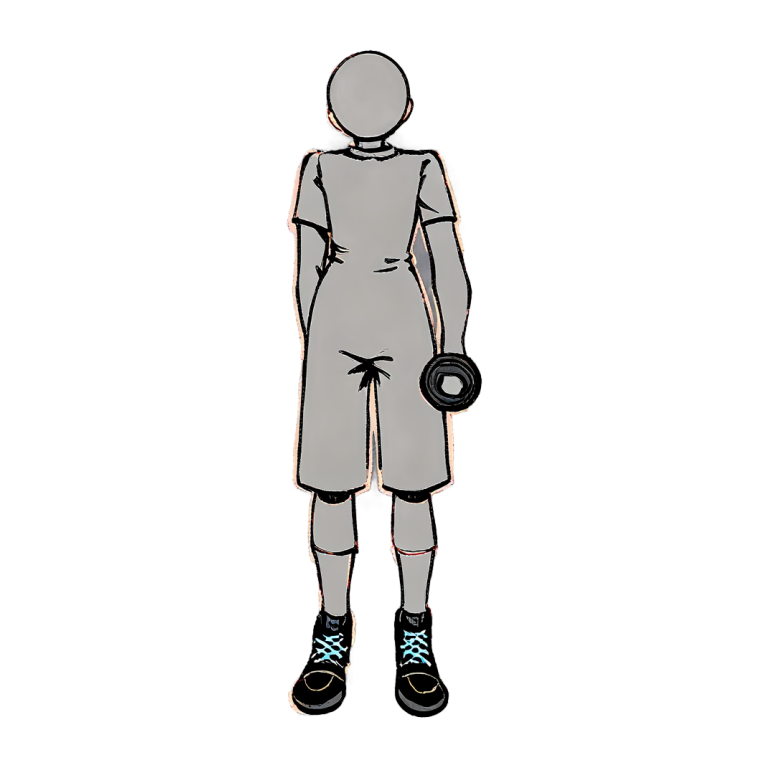
Set up. Squat down with a flat back and pick up one heavy dumbbell in one hand.
- Stand up tall with the dumbbell at your side.
- Walk forward with steady steps without leaning.
- Set it down by squatting, then switch hands.
Form cues
- Stay upright.
- Keep the shoulders level.
- Grip hard.
Common mistakes
- Leaning toward or away from the weight.
- Rushing the steps.
Cable Woodchop (10 to 20 reps)
Set up. Set a cable high. Stand side-on to it, feet wide, and hold the handle with both hands above the near shoulder.
- Pull the handle down and across your body toward the opposite hip.
- Turn the hips and pivot the back foot as you go.
- Return under control.
- Finish the set and switch sides.
Form cues
- Keep the arms fairly straight.
- Turn from the hips and torso together.
- Control the return.
Common mistakes
- Pulling with the arms only.
- Twisting the lower back without turning the hips.
Pallof Press (10 to 20 reps)
Set up. Set a cable at chest height. Stand side-on to it holding the handle at your chest with both hands, feet about hip width apart, and step away until there is tension.
- Brace and press the handle straight out in front of your chest.
- Hold briefly without letting your torso rotate.
- Bring the handle back to your chest.
- Finish the set and switch sides.
Form cues
- Resist the pull of the cable.
- Keep the hips and shoulders square.
- Move slowly.
Common mistakes
- Letting the torso turn toward the machine.
- Leaning away from the cable.
Side Bend (10 to 20 reps)
Set up. Stand tall holding one dumbbell at your side, the other hand on your hip.
- Bend sideways toward the dumbbell, sliding it down your leg.
- Stop at a comfortable stretch.
- Return upright by contracting the opposite side.
- Finish the set and switch sides.
Form cues
- Bend straight sideways.
- Keep the hips still.
- Move slowly.
Common mistakes
- Leaning forward or back.
- Using momentum.
Also trains it on the way
Plank (held for time)
Set up. Lie face down and rest on your forearms, elbows under your shoulders, then lift onto your toes so your body forms a straight line.
- Brace your stomach and squeeze your glutes.
- Hold the straight line for the target time.
- Lower your knees to the floor to finish.
Form cues
- Keep a straight line from head to heels.
- Push the floor away with your forearms.
- Breathe steadily.
Common mistakes
- Letting the hips sag.
- Piking the hips up high.
Hanging Leg Raise (6 to 20 reps)
Set up. Hang from a pull-up bar with straight arms and your legs together.
- Brace and lift your legs up in front of you, keeping them as straight as you can.
- Raise them to at least hip height, tilting the pelvis up at the top.
- Lower slowly without swinging.
Form cues
- Curl the pelvis up at the top.
- Keep the body still.
- Bend the knees to make it easier.
Common mistakes
- Swinging to get the legs up.
- Dropping the legs quickly.
Dead Bug (8 to 20 reps)
Set up. Lie on your back with your arms pointing to the ceiling and your knees bent at right angles above your hips.
- Press your lower back gently into the floor.
- Lower one arm overhead and the opposite leg toward the floor at the same time.
- Return to the start and repeat with the other pair.
Form cues
- Keep the lower back on the floor.
- Breathe out as you reach.
- Move slowly.
Common mistakes
- Letting the back arch as the leg lowers.
- Rushing the reps.
Copenhagen Plank (held for time, a variation of Side Plank)
Set up. Lie on your side beside a bench. Rest your forearm on the floor under your shoulder and place the inside of your top foot or lower leg on the bench.
- Lift your hips so your body forms a straight line.
- Lift the bottom leg up toward the bench if you can.
- Hold for the target time.
- Lower and switch sides.
Form cues
- Keep the hips high and straight.
- Place the knee on the bench to make it easier.
- Breathe steadily.
Common mistakes
- Letting the hips sag or rotate.
- Starting with the full long-lever version.
Hollow Hold (held for time, a variation of Plank)
Set up. Lie on your back with your arms overhead and legs straight.
- Press your lower back into the floor.
- Lift your shoulders, arms and legs a little off the floor.
- Hold for the target time.
Form cues
- Keep the lower back pressed down.
- Bend the knees or bring the arms down to make it easier.
- Breathe steadily.
Common mistakes
- Letting the lower back lift.
- Holding the breath.
Reverse Crunch (10 to 25 reps, a variation of Hanging Leg Raise)
Set up. Lie on your back with your knees bent at right angles above your hips and your arms by your sides.
- Curl your hips up off the floor, bringing your knees toward your chest.
- Pause briefly.
- Lower your hips slowly.
Form cues
- Curl the pelvis, do not swing the legs.
- Keep the arms relaxed.
- Lower slowly.
Common mistakes
- Kicking the legs to lift the hips.
- Dropping back down quickly.
Machine Crunch (10 to 20 reps, a variation of Cable Crunch)
Set up. Adjust the seat so the pads sit on your upper chest or the handles beside your head. Sit back with your feet secured.
- Curl your torso forward and down by contracting your stomach.
- Pause at the bottom.
- Return under control.
Form cues
- Curl the ribs toward the pelvis.
- Keep the hips still.
- Do not pull with the arms.
Common mistakes
- Pulling with the arms.
- Letting the stack crash between reps.
Captain’s Chair Knee Raise (8 to 20 reps, a variation of Hanging Leg Raise)
Set up. Stand in the captain's chair with your back against the pad and your forearms on the arm rests, legs hanging.
- Lift your knees toward your chest.
- Curl the pelvis up slightly at the top.
- Lower slowly.
Form cues
- Keep the back against the pad.
- Move slowly.
- Do not swing the legs.
Common mistakes
- Swinging the legs up.
- Dropping the legs quickly.
McGill Curl-Up (5 to 15 reps, a variation of Crunch)
Set up. Lie on your back with one knee bent and one leg straight, hands under the small of your back.
- Brace your stomach.
- Lift your head and shoulders a little way off the floor as one unit.
- Hold for a few seconds, then lower.
- Switch the bent leg halfway through.
Form cues
- Keep the neck in line with the upper back.
- The movement is small.
- Keep the hands under the lower back.
Common mistakes
- Tucking the chin to the chest.
- Curling up high like a sit-up.
Crunch (10 to 30 reps)
Set up. Lie on your back with your knees bent and feet flat, hands lightly beside your head or across your chest.
- Curl your shoulders off the floor by contracting your stomach.
- Pause briefly.
- Lower slowly.
Form cues
- Bring the ribs toward the pelvis.
- Keep the neck relaxed.
- Keep the lower back on the floor.
Common mistakes
- Pulling on the head with the hands.
- Sitting all the way up with momentum.
Prepare for the big lifts
- Before Suitcase Carry: Dead Bug (bracing), Side Plank (same movement, lighter), Band Pull-Apart (shoulder blades)
- Before Cable Woodchop: Pallof Press (same movement, lighter), Thoracic Rotation (upper back range)
Balance it
The obliques is not one side of an opposing pattern the app tracks; it works with the muscles around it rather than against one.
Completes the loop. Training Abs and Lower back and not the obliques leaves a function out: it is a third job rather than a missing half.
Track it in StatBlockFit
The app's training map draws this same body and fills each muscle with the sets you gave it this week, so the gaps are visible at a glance. Tap the obliques there and it offers these movements, ready to add to a routine or log in one tap. The training guide explains the map, the routines and the overload rules.
For a session today, the Daily Bounty Board draws a full-body workout from this catalog for the equipment you have, and the Guild Ranker tells you what rank your bench press, squat and deadlift have earned.
Questions
What exercises train the obliques?
Movements that train the obliques as their main target include Suitcase Carry, Cable Woodchop, Side Plank, Russian Twist and Pallof Press. The catalog in StatBlockFit lists 8 of them, and 14 more that train it on the way.
What balances the obliques?
It is not one side of an opposing pattern; it works with the muscles around it.
How do I progress obliques exercises?
Add load in the smallest step the equipment allows once every set reaches the top of its rep range with good form, and move up a rung (from bodyweight to dumbbells, from dumbbells to the barbell) when the lighter version stops being a challenge. StatBlockFit does the arithmetic: it suggests the next weight after each session and lightens the load after two missed sessions in a row.